

Warning; this personal story contains references to suicide
For Carers Week, Rachel looks back on her mother’s journey with bipolar disorder and how that experience inspired her to create a supportive space for carers.
As the only child of a mum diagnosed with bipolar disorder, life was confusing and lonely. I knew my mum was different, but the hardest part was the duality. She’d put on a smile for the outside world and then shut it off behind closed doors. Mental health was a hushed topic; Mum didn’t like us to speak of it around others.
In my twenties, my mum attempted suicide twice in five years. The second time, I received a call from the police, who asked if I could go and get her. I barely had time to process what was happening before being asked to step into action.
One memory that stays with me is visiting her in the psychiatric hospital. She was there physically, but her spirit was gone - she was a shell of herself.
What struck me the most was the lack of support for those of us trying to navigate the emotional fallout. The mental health team cared for Mum, but for the rest of the family, it felt very procedural.
People don’t talk about the guilt you feel as a family member of someone experiencing mental illness. There’s a silent voice that whispers: if you’d just tried harder or been there more often, maybe Mum would be better. You end up believing it’s your fault.
I sought counselling, but at the time there was a six-month wait on the NHS. For years, I coped by burying my head in work.
It wasn’t until I had my own children that I realised just how much anxiety I’d been carrying. Her health anxieties became mine; her worries about travel and the outside world were now my own.
On the surface, I appeared hyper-independent, successful and perceptive, but underneath, I was chaotic. When I lost a patch of my hair due to stress, I knew I had to do something.
For me, a true carer-friendly community isn't about advice or judgement, it's just a safe space where we can share human experiences and feel less alone. The best support I've ever had was finding a friend whose mum also struggled with her mental health; it's a kind of understanding you can't explain, and we get to laugh together too!
Because my local area lacks dedicated support groups for families navigating mental illness, I am creating the peer-led space I desperately needed. I developed my own framework to support hidden carers, with the vision of establishing a physical Family Wellbeing Hub. By building this community, I want to ensure new carers are recognised, understood and freed from the silent weight of guilt.
For me, a true carer friendly community isn't about advice or judgement, it's just a safe space where we can share human experiences and feel less alone.” - Rachel
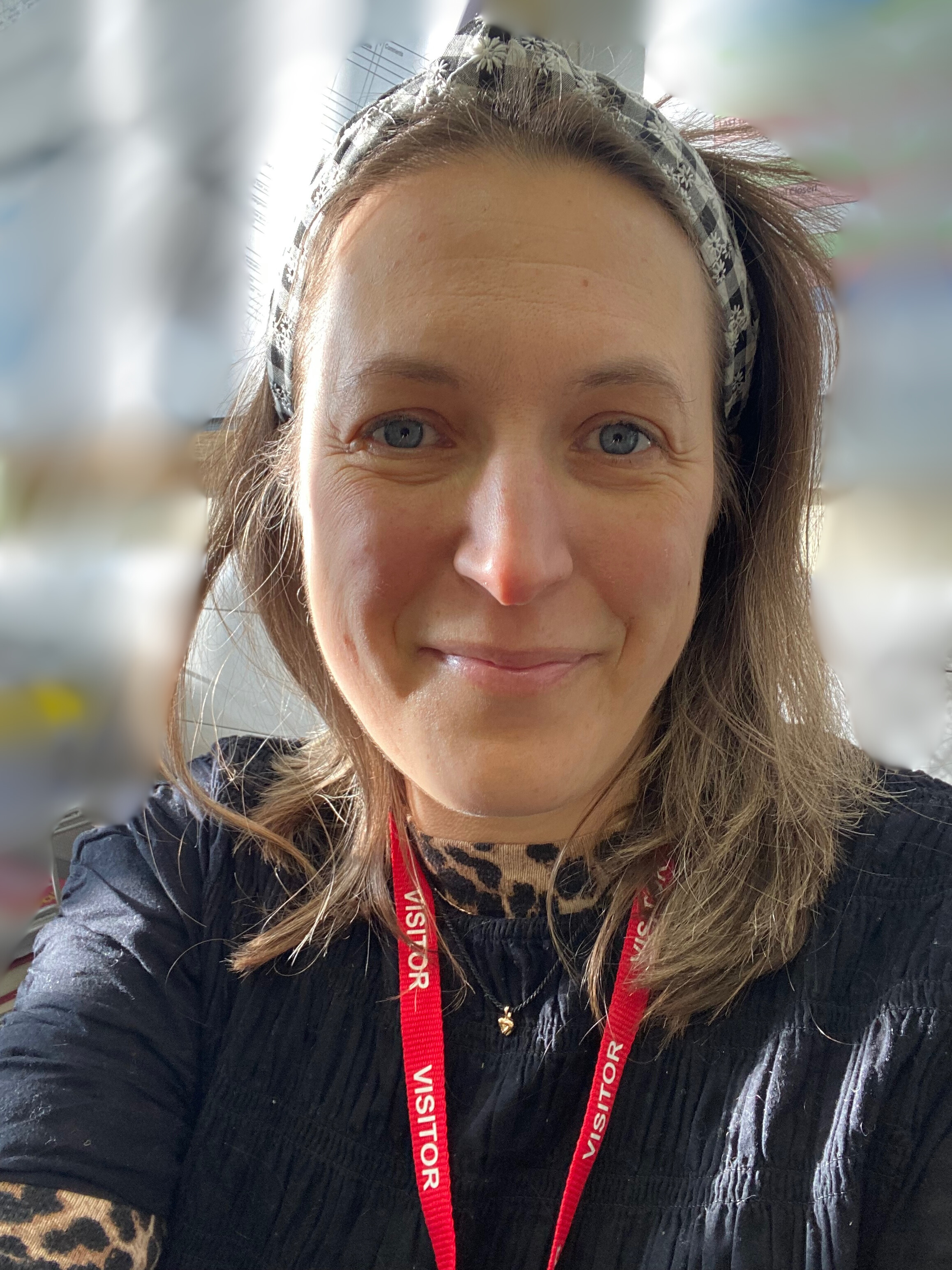
With thanks to Rachel and Rethink Mental Illness for sharing this story.